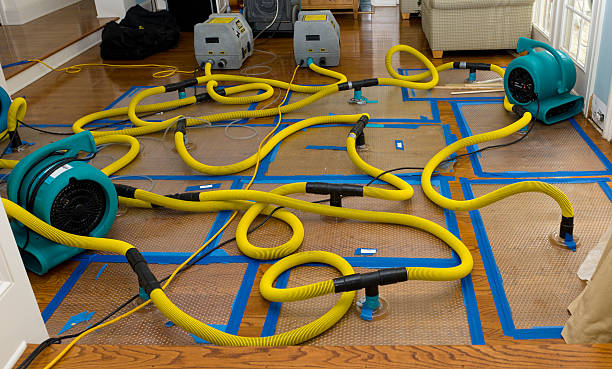
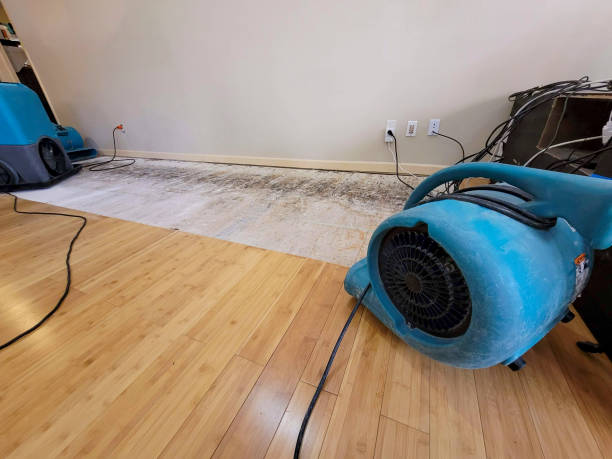
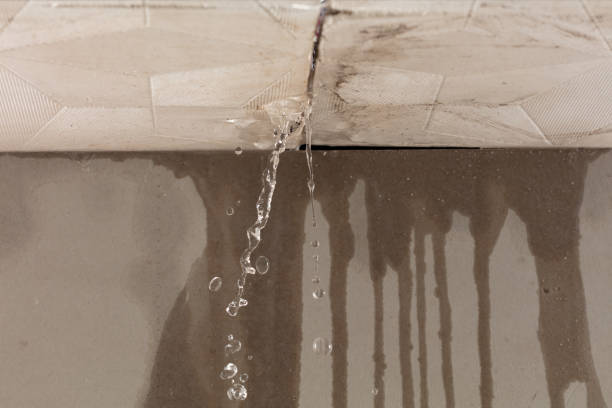
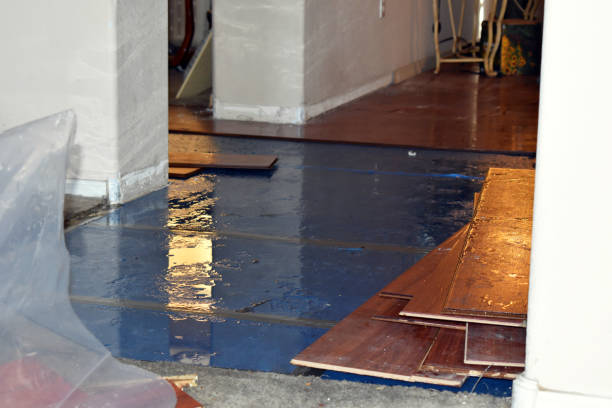
There's a specific kind of dread that comes with standing water spreading across a Honey Creek living room floor. We're built to shorten that window between the panic and the fix.
Call +1-844-578-1604
Crews staged inside Honey Creek limits
Written estimate, no hidden line items
IICRC-certified technicians on every truck

Aqua Guard Water Damage didn't parachute into Honey Creek with a rented truck and a stock script. Our technicians have worked this market long enough to know which neighborhoods sit low, which ones have older cast-iron plumbing, and which zip codes call in during every heavy storm.
Local pricing means local pricing — our Honey Creek estimates reflect actual regional labor and material costs, not a national average that leaves you either overpaying or underinsured.
We also keep documentation formatted the way insurance adjusters actually want to see it, since most of our jobs end up crossing an adjuster's desk at some point.
Water damage rarely starts as a dramatic flood — it usually starts small, and these are the signs worth acting on before the damage spreads further.
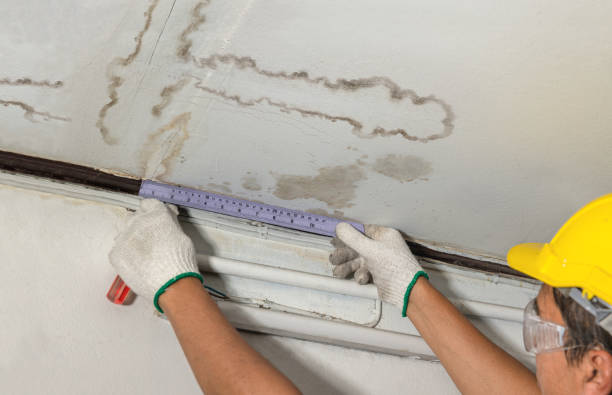
A ring that reappears within weeks of a fresh coat of paint means the moisture source is still active, and it's usually a plumbing line, not a roof issue, especially near bathrooms.
A musty note that wasn't there a season ago usually means microbial growth has started somewhere behind a wall or under flooring, well before you can see anything.
A hollow sound from tile that used to sound solid usually means the mortar bed lost adhesion from sustained moisture underneath.
The sound of running water when every fixture in the house is off is one of the more reliable early warnings of a hidden leak.
Bubbling paint near a baseboard or exterior wall usually means moisture is pushing through from behind rather than a simple application defect.
Mold that returns after a bleach cleaning is a sign the moisture source behind it was never actually addressed.
Catching two or more of these signs at once usually means it's past time for a proper inspection.
We don't split Water Damage Repair into separate vendors for extraction, drying, and repair — one crew stays accountable for the whole job, from the first wet-vac pass to the final coat of paint.
Every service below gets the same documentation standard, whether it's a single wet closet or a full commercial loss.
We treat extraction speed as the single biggest variable we control — every additional hour of standing water raises the odds of secondary damage.
Air movers and dehumidifiers get placed according to psychrometric readings taken at assessment, not a default layout used on every job regardless of conditions.
Blackwater intrusions call for full PPE, controlled removal of porous materials that can't be sanitized, and hospital-grade disinfection before any reconstruction starts.
We treat the 48-hour mold window as a deadline for our own drying timeline, not a talking point.
Reconstruction starts from the actual drying documentation, not a fresh guess, which keeps the repair scope accurate.
Specialized content cleaning often saves items that looked like a total loss at first glance, which keeps replacement costs off your claim.


This is the same sequence every job follows, whether it's a single flooded room or a full commercial loss.
Real person, real questions, fast routing — the goal is getting a truck moving within minutes of hanging up.
Photo and moisture documentation happens before any equipment gets touched, which protects your insurance claim later.
Extraction and drying run as one continuous process rather than two separate scheduled visits.
Final verification is where corners often get cut industry-wide; we treat it as mandatory.
None of these four things matter in isolation — it's the combination of licensing, speed, honest pricing, and a real guarantee that actually changes the outcome of a water emergency.
Every technician carries IICRC certification, and every crew works fully insured — documentation available whenever you want it.
A nearby crew isn't a slogan — it's the gap between drying equipment running in an hour versus half a day.
The number we quote is the number you pay, regardless of how long the drying cycle runs.
If a drying target isn't hit on schedule, equipment stays on-site at no extra charge until the readings confirm it's dry.
We'd rather run a dehumidifier an extra day on our dime than sign off on a reading we're not confident in.
The standard doesn't change based on job size — a single bathroom flood gets the same sign-off criteria as a full commercial loss.
Call +1-844-578-1604Whether your address sits in 51542 or a neighboring zip, the same crew and the same response standard applies.
We track call patterns by zip code across Honey Creek to keep crew staffing matched to where emergencies actually happen.

"What stood out was how calm the technician stayed while explaining a genuinely stressful situation — that mattered more than I expected."
Renee A., Honey Creek"The daily moisture log gave me something concrete to look at instead of just being told to trust the process."
Owen D., Honey Creek"Professional from the first call to the final walkthrough, and they re-tested moisture before closing the job instead of eyeballing it."
Fatima J., Honey Creek"The reconstruction crew matched our original flooring almost exactly after the repair — you'd never guess there was ever a leak."
Lucas P., Honey Creek"Getting a daily drying log meant we always knew where the job stood instead of a vague verbal update."
Grace T., Honey Creek"Working a commercial job around our business hours could have been a scheduling nightmare, but they made it simple."
Nathaniel W., Honey Creek"A cracked supply line under our kitchen sink went unnoticed for days, and by the time we called, the subfloor was saturated. They only replaced what actually tested wet, not the whole floor."
Bianca H., Honey Creek"Storm runoff got into our crawl space and the smell alone told us something was wrong. They found a failed vapor barrier and fixed the actual cause during the same visit."
Derek S., Honey Creek"They found the actual source of the leak instead of just drying the surface damage, which saved us from the same problem happening again in a month."
Melissa C., Honey Creek"Being out of town when it happened was stressful enough — having a crew that could work directly with our property manager made it manageable."
Victor N., Honey Creek